Warranty and spare parts supply
A robust warranty and reliable spare parts supply are essential components of any blown film line purchase, directly affecting uptime and long-term operating costs. The standard warranty for new equipment typically covers 12 to 24 months from the date of commissioning, or 18 months from shipment, whichever comes first. It usually includes repair or replacement of defective parts due to material or workmanship errors, but excludes consumables (screens, heater bands, seals) and damage caused by improper operation or maintenance. Some suppliers offer extended warranties for an additional fee, which can be a wise investment for complex multi-layer lines. The warranty should clearly state response times for claims, shipping costs for replacement parts, and whether labor is included. Buyers should read the fine print regarding exclusions – for example, damage from power surges, water contamination, or using non-approved resins may void the warranty. It is also important to understand the process for warranty claims: typically, the buyer contacts the supplier’s service department, provides evidence (photos, data logs), and the supplier either sends a replacement part or arranges a service visit. To avoid disputes, the purchase contract should include a warranty clause with specific remedies for defects. Some suppliers offer a performance warranty that guarantees output and quality for a defined period; if not met, they must rectify at their cost. In summary, a clear and comprehensive warranty provides peace of mind and financial protection, but it is not a substitute for good maintenance practices. Buyers should negotiate warranty terms before signing, and ensure they have a reliable point of contact for claims.
Spare parts supply is equally critical, as even a minor part failure can halt production. The supplier should provide a recommended spare parts list with the machine, including critical items like heater bands, thermocouples, drive belts, seals, bearings, and screen packs. The list should also include part numbers and suppliers for off-the-shelf components (e.g., motors from Siemens, gearboxes from SEW). For custom parts (screw, die inserts), the supplier is the sole source, so buyers should consider keeping one spare screw or die set to avoid long lead times. The lead time for spare parts varies – standard items may be stocked locally or shipped within days, while custom parts can take weeks or months. Therefore, a good strategy is to purchase a "starter kit" of spare parts along with the line, typically costing 2-5% of the machine price. This kit ensures immediate availability for the most common failures. The supplier should also provide a spare parts catalog and a online ordering portal for convenience. For international buyers, it is wise to verify that the supplier has a distribution center or logistics partner in your region to expedite shipping. Some suppliers offer consignment stock, where they keep parts at your location and you pay only when used. In summary, proactive spare parts management reduces downtime and keeps production running smoothly. Neglecting this aspect can turn a minor issue into a major loss. Therefore, when evaluating suppliers, ask about their spare parts policy, typical lead times, and whether they offer priority service for emergency orders.
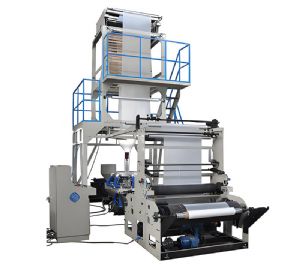
Blown Film Machine
Key warranty and spare parts best practices: – Read and understand the warranty terms before signing; clarify any ambiguities. – Negotiate for a longer warranty period for critical components (e.g., gearbox, screw). – Ensure warranty covers both parts and labor for on-site repairs. – Ask for a warranty extension option at a reasonable cost. – Obtain a detailed spare parts list with prices and lead times. – Purchase a critical spare parts kit (e.g., heaters, sensors, belts, screen packs) at the time of order. – For custom parts, consider ordering a spare screw or die insert, especially for high-volume lines. – Establish a local stock of consumables (filters, grease, seals) to avoid delays. – Maintain a relationship with the supplier’s spare parts department to get priority service. – Keep records of all part replacements to identify frequent failures and plan ahead. – Regularly review and update your spare parts inventory based on usage and age. Also, consider joining a maintenance contract that includes regular inspections and priority parts access. Some suppliers offer a "24/7 emergency parts" service for an annual fee. In addition, train your maintenance staff on basic part replacement procedures so they can handle simple swaps without waiting for a service engineer. In conclusion, warranty and spare parts supply are not just contractual formalities; they are operational necessities. A well-negotiated warranty and a thoughtful spare parts strategy ensure that your blown film line spends more time producing and less time waiting for repairs, maximizing your return on investment.
