Used / second-hand film blowing equipment
The market for used and second-hand film blowing equipment is active, offering converters a lower-cost alternative to new machinery. Used lines are available from liquidations, upgrades, or plant closures. Prices typically range from 30% to 70% of the original new price, depending on age, condition, and brand. European brands (Reifenhäuser, Windmöller & Hölscher, Alpine, Kiefel) hold their value better and are more sought after due to their durability and availability of parts. Asian brands depreciate faster but are cheaper. A 5-year-old single-layer line from a top brand might cost $150,000-$250,000 (new $400k). A 10-year-old 3-layer line might be $200k-$400k. The key advantage is lower capital outlay; the disadvantage is potential hidden wear, outdated controls, and lack of warranty. Before purchasing, thoroughly inspect the equipment or hire a specialist. The main components to check: the extruder screw and barrel (wear clearance), gearbox (noise, oil condition), die (surface scratches, heating uniformity), air ring (condition), nip rollers (surface), winder (alignment), and control system (functionality). Ask for maintenance records and production logs – they reveal how well the machine was maintained. Also, check if the line was used for abrasive resins (filled, recycled) which accelerate wear.
The inspection process: start with the extruder – run it at low speed (if possible) and listen for unusual sounds. Check the screw's flight condition by pulling it out (requires downtime) or measuring the output at different screw speeds – if output is lower than expected, the screw may be worn. Check the barrel for scoring. For the die, look for die lines on a sample film – they indicate scratches. The air ring should be free of dents; check the blower motor. The thickness gauge (if included) – test its accuracy with a standard film. The winder – check roll formation for telescoping. Electrical panels – inspect for burnt components, and check the PLC battery life. The overall condition of the machine structure – rust, oil leaks, etc. Also, consider the compatibility of the line with your facility – voltage, phase, cooling water, compressed air. If possible, run a full production trial with your resin to see film quality and output. Some sellers offer a trial period. If not, request a video of the line producing film with measurements. After inspection, negotiate the price based on identified issues. Also, factor in the cost of transportation, re-installation, and possible repairs or upgrades (e.g., new heaters, new screens). Budget 15-25% of the purchase price for refurbishment. Many dealers offer refurbished lines with a new warranty – these are more expensive but safer.
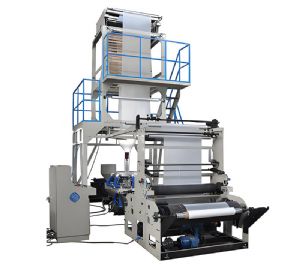
Blown Film Machine
Where to find used equipment: online marketplaces like Exapro, Machinio, and TradeMachines; industry-specific forums; auction sites; and directly from plant closings. Also, contact brokers who specialize in plastic machinery. European and North American markets have many used lines due to frequent upgrades. Asian used lines are also available but often sold domestically. When buying internationally, consider shipping costs, import duties, and customs clearance. Also, ensure the seller has clear title to the equipment – avoid stolen or encumbered machines. Payment terms: usually 30-50% deposit, balance upon loading or delivery. Use a third-party inspection service (e.g., SGS) if the value is high. For large lines, it's wise to engage a rigging company for disassembly and loading. The resale value of used equipment is lower than new, but if you buy wisely, you can get many years of productive life. Common pitfalls: buying a line that is too old (over 15 years) – parts may be obsolete; buying a line that was used for a specific resin that causes degradation of the screw; buying from a seller who overstates the condition. Always ask for a demonstration and samples. In summary, used film blowing equipment can be a smart investment if you perform due diligence, inspect thoroughly, and budget for refurbishment. It allows entry into film extrusion at a lower cost, but requires more technical expertise to evaluate and maintain.
