Turnkey blown film extrusion solution
A turnkey blown film extrusion solution is a complete package provided by a single supplier, covering everything from initial design and equipment supply to installation, commissioning, and operator training. This means the supplier takes full responsibility for delivering a fully operational line, ready to produce film at the agreed specifications. Turnkey solutions are ideal for converters who want to enter the blown film business without building an in-house engineering team, or for plants that are setting up a new production facility. The typical scope includes: site survey and layout design, raw material handling systems (silos, blenders, dryers), the extrusion line itself (extruders, die, air ring, cooling, haul-off, gauging, winding), auxiliary equipment (air compressors, chillers, electrical panel), and sometimes even downstream converting (slitting, bag making). The supplier also manages logistics, customs clearance, and local installation. A turnkey contract usually includes a performance guarantee – the line must achieve specified output, film quality, and efficiency. This reduces risk for the buyer because the supplier is accountable for the entire system's performance, avoiding finger-pointing between different equipment vendors. The price is generally higher than buying components separately, but the convenience and risk reduction often justify the cost. Turnkey projects are common for large plants or for foreign buyers unfamiliar with local suppliers.
The turnkey process typically starts with a detailed engineering phase: the supplier's engineers visit your site to assess existing infrastructure (power, water, compressed air, floor space). They then design the optimal line layout, considering material flow, operator access, and safety. Based on your product requirements (film type, width, thickness, output), they select the appropriate extruder sizes, die, and downstream equipment. A 3D layout is provided for approval. Then the manufacturing phase begins: the supplier builds all components, often in their own factory, and performs assembly and testing. After completion, the line is disassembled, packed, and shipped to your site. Installation is carried out by the supplier's engineers or their local partners, including mechanical assembly, electrical wiring, and connection of utilities. Commissioning involves start-up, tuning of all parameters, and running trials to achieve specified film properties. Operator training is usually part of the package, covering not only operation but also basic maintenance and troubleshooting. Finally, the handover includes documentation (manuals, drawings, spare parts list) and a warranty start date. Throughout the project, the supplier assigns a project manager to coordinate all activities and act as your single point of contact. Turnkey solutions are especially beneficial for multi-layer lines and high-speed lines, which require precise integration. They also speed up time-to-market because you don't have to manage multiple vendors.
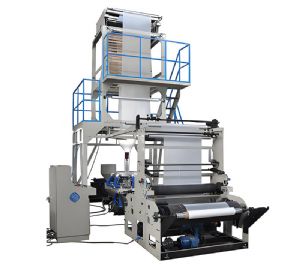
Blown Film Machine
Key benefits of turnkey: single responsibility – one contract, one warranty; guaranteed performance – the supplier ensures the line works; reduced project management overhead; faster installation due to experienced teams; integrated controls – all components are from one source or pre-integrated; better compatibility – no interface issues; consistent quality – supplier selects all components to their standards. However, there are downsides: higher upfront cost compared to self-procurement; less flexibility to choose your preferred component brands; dependence on the supplier's schedule; potential for over-specification (they may sell more than you need). To mitigate, define your requirements clearly and negotiate the scope. Request a detailed breakdown of what is included and what is excluded (e.g., civil works, electrical supply from the main panel). Ask for a project timeline with milestones. Ensure the performance test criteria are objective (e.g., film thickness tolerance, output rate, energy consumption). Also, check the warranty coverage and response time for service. It is advisable to have a local representative or third-party inspector to oversee the installation and commissioning. In summary, a turnkey blown film extrusion solution is a valuable option for companies wanting a hassle-free setup. It transfers most risks to the supplier and allows you to focus on your core business. Choose a supplier with proven turnkey experience and a strong project management culture.
