Trade assurance / payment terms (T/T, L/C)
When purchasing a blown film line, especially from an overseas supplier, payment terms and trade assurance are critical to protect both parties. The most common payment methods are T/T (Telegraphic Transfer, also called wire transfer) and L/C (Letter of Credit). T/T is simpler and faster: the buyer transfers funds directly to the seller’s bank account. Typical T/T terms are 30% deposit upon order, 50% before shipment (or upon completion of factory acceptance test), and 20% after commissioning or upon arrival. This schedule gives the seller working capital and the buyer some leverage to ensure quality. However, T/T offers little protection if the seller fails to deliver or ships defective equipment. To mitigate, buyers can use an escrow service or third-party inspection. L/C is a more secure method: the buyer’s bank issues a letter of credit to the seller’s bank, guaranteeing payment upon presentation of specified documents (e.g., bill of lading, inspection certificate). The L/C can be confirmed by a local bank to add protection. Payment is made after the seller complies with all conditions. L/C is widely used for large-value contracts and is safer for both sides, but it is more costly (bank fees) and slower (document processing). The buyer must ensure the L/C terms are clear and achievable – any discrepancy in documents can delay payment. Other methods include DP (Documents against Payment) and DA (Documents against Acceptance), but they are less common for machinery. Trade assurance platforms like Alibaba Trade Assurance offer mediation services for disputes, but they have coverage limits and may not apply to large lines. In addition to payment terms, the contract should specify the currency (USD, EUR, RMB) and who bears the exchange rate risk.
Risk mitigation: Buyers should conduct due diligence on the supplier’s financial standing and reputation before making a deposit. For large orders, consider a third-party escrow service where funds are released only upon successful commissioning. Always request a factory acceptance test (FAT) before final payment, and have a qualified inspector present. The payment schedule should be linked to milestones: e.g., 30% on order, 30% after FAT, 30% on shipment, 10% after on-site commissioning. This gives the buyer maximum leverage. For L/C, ensure it is irrevocable and confirmed by a reputable bank. Also, include a clause that the supplier provides a performance bond (bank guarantee) for the warranty period. In summary, choosing the right payment terms is a balance between security and convenience. T/T is faster and cheaper but riskier; L/C is safer but more complex. For first-time buyers or untested suppliers, L/C is recommended. For established relationships, T/T may be acceptable. The key is to negotiate a payment schedule that aligns with milestones and includes adequate protection. Consulting with a trade finance expert can help tailor the terms to your specific situation. In conclusion, trade assurance and payment terms are not just administrative details; they are essential risk management tools. A well-structured payment plan ensures that the supplier is motivated to deliver quality equipment on time, while protecting the buyer from financial loss. Take the time to understand the options and choose what best fits your transaction.
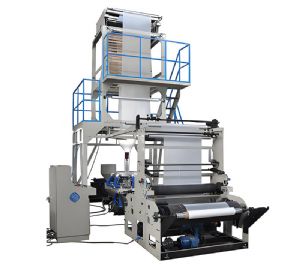
Blown Film Machine
Key considerations for payment terms: – For T/T: request a bank reference and verify the supplier’s incorporation. – For L/C: work with an experienced trade finance team to draft the L/C correctly – any discrepancy can cause payment delays. – Include a pre-shipment inspection clause: payment before shipment only after passing FAT. – Consider a retention amount (10-20%) held until commissioning is successful. – For very large orders, consider a performance bond or bank guarantee from the supplier. – Use a trusted currency exchange provider to get favorable rates. – Clarify who pays for bank charges (usually split). – For partial shipments, ensure the L/C allows it. – Keep all correspondence and documents for dispute resolution. – If using an online platform, check the maximum coverage limits. In addition, be aware of export/import regulations that may affect payment, such as currency controls. Some countries require a customs declaration before payment release. Work with a freight forwarder who can provide the necessary documents (bill of lading, packing list) promptly. In conclusion, secure payment terms are a cornerstone of a successful equipment purchase. They provide confidence to both parties and establish a professional relationship. With careful planning and the right safeguards, you can minimize financial risk and ensure a smooth transaction.
