OEM / ODM blown film extruder customization
OEM (Original Equipment Manufacturer) and ODM (Original Design Manufacturer) customization allows converters to obtain blown film extruders tailored specifically to their resin type, film application, output requirements, and production environment. In OEM customization, the manufacturer builds a line based on the buyer's specifications, using the manufacturer's standard platform but with selected modifications – e.g., a longer L/D screw, special barrel material, or a custom die. In ODM customization, the manufacturer designs and builds a completely new line from the ground up to meet the buyer's unique requirements, often involving proprietary features or novel lay-outs. The customization process starts with a detailed technical discussion: the buyer provides the target film structure (layers, thickness, width), resins (including blends), expected output, and any special needs (e.g., cleanroom, high-speed, energy efficiency). The manufacturer then proposes a design, often with CAD drawings and process simulations. Key customizable components include screw geometry (barrier, mixing, vented), barrel lining (nitrided, bimetallic), die design (number of layers, diameter, material), air ring type, IBC system, control software, and winder configuration. The buyer can also specify the brand of motors, gearboxes, and sensors, though this may affect cost and lead time. OEM/ODM customization ensures that the line is perfectly matched to the product, minimizing the need for extensive adjustments during operation and reducing scrap.
The benefits of customization are significant: higher output for a given screw size (optimized screw), better film properties (e.g., clarity for mLLDPE, high barrier for EVOH), lower energy consumption (e.g., optimized barrel cooling), and longer equipment life (e.g., abrasion-resistant liners). For converters with proprietary formulations or trade secrets, ODM allows them to keep the design confidential. However, customization comes with higher cost (typically 20-50% more than standard lines) and longer lead times (6-12 months vs 3-6 months). There is also a higher risk if the design is not validated – therefore, reputable manufacturers provide a test run at their facility using the buyer's resin to verify performance before shipping. The customization contract should include a performance guarantee specifying output, thickness tolerance, and energy consumption. The buyer should also be involved in design reviews to ensure all requirements are captured. In terms of documentation, the manufacturer provides detailed manuals specific to the customized line. Spare parts availability may be a concern – custom screws and dies are not interchangeable, so keep a spare or plan for longer lead times. In summary, OEM/ODM customization is the route for converters who need a line that does not exist off-the-shelf, offering a perfect fit for niche applications. It requires a strong partnership with the manufacturer and thorough planning, but the result is a competitive advantage through superior performance and flexibility.
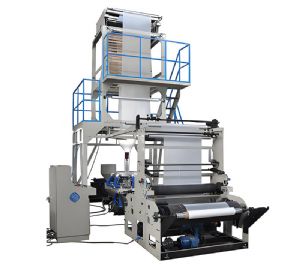
Blown Film Machine
Common customization options: – Screw: custom compression ratio, flight geometry, mixing section, or venting for recycled materials. – Barrel: bimetallic lining for abrasive resins, water-cooled instead of air-cooled. – Die: multi-manifold for complex layer structures, special coating for non-stick. – Air ring: segmented or motorized vanes for automated profile control. – IBC: custom tube length and manifold design. – Winder: dual-station or triple-station turret, in-line slitting. – Control system: custom HMI screens, integration with plant MES, special alarms. – Material handling: custom blending ratios with reclaim, special conveying. – Safety: additional interlocks for cleanroom or high-temperature operations. When initiating a customization project, start with a clear request for quotation (RFQ) that specifies all technical requirements. Visit the manufacturer's facility to see their engineering capabilities. Request a timeline with milestones. Plan for an extended commissioning period because new designs may require fine-tuning. Also, consider future upgrades – a modular design allows adding features later. In conclusion, OEM/ODM customization is a strategic investment for converters with unique needs. It ensures that the equipment not only meets current requirements but also provides a platform for future growth, making it a worthwhile endeavor for those committed to excellence in blown film production.
