Medical grade barrier film extruder
A medical grade barrier film extruder is a highly specialized blown film line that produces films used in sterile medical packaging, such as pouches for surgical instruments, catheters, implants, and pharmaceutical blister packs. These films must provide an effective microbial barrier, be biocompatible, and withstand sterilization methods (ethylene oxide, steam, or gamma irradiation). The films are typically multi-layer co-extrusions (5 or 7 layers) combining a sealant layer (usually a specially formulated PE or PP), a barrier layer (EVOH or PA), and an outer layer that resists punctures. The line must operate in a cleanroom environment (Class 7 or better) to prevent contamination. The extruder barrels and screws are made of high-grade stainless steel, and the resin is ultra-pure with low extractables. The die is precision-machined to avoid any dead spots where polymer could degrade. The cooling air is filtered, and the entire line is enclosed. The thickness gauge and AGC ensure uniform thickness, critical for seal integrity. The line speed is moderate (50-100 m/min) to maintain quality; output is typically 100-300 kg/h.
The key challenge is meeting the ISO 11607 standard for medical packaging, which requires validation of the seal strength and barrier integrity. The film must also pass cytotoxicity, sensitization, and other biocompatibility tests per ISO 10993. The resin suppliers provide certificates of analysis. The line must be validated for each product; process parameters are fixed. The operator must wear cleanroom garments and follow strict hygiene protocols. The extruder screw is designed to minimize residence time to avoid degradation. The die temperature is precisely controlled to ±1°C. The film is often tested online for pinholes using a spark tester. The winder must not damage the film; the rolls are wrapped in clean bags. The line includes an edge trim recycling system that sends trim back to the extruder, but only if the trim remains clean and uncontaminated. The maintenance includes regular cleaning of the die and filter, and periodic validation of the cleanroom air quality. The line's control system logs all data for traceability. The film is often supplied in master rolls and then slit and converted in cleanrooms.
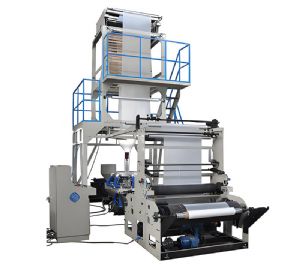
Blown Film Machine
Key technical parameters: melt temperature 190-240°C (depending on layer); BUR 2.0-3.0; frost line height 300-500 mm; die gap 0.8-1.5 mm. The film's oxygen transmission rate (OTR) must be <10 cc/m²/day for barrier. The seal strength (peel strength) is critical and depends on the seal layer. The film's thickness is typically 50-200 µm. The line must have a positive pressure cleanroom with HEPA filters. The extruder barrels are jacketed for precise cooling. The screw has a compression ratio of 3.0-4.0:1. The air ring uses purified, chilled air. The winder has servo-controlled tension to avoid stretching. The maintenance schedule includes frequent cleaning of the die to prevent carbon build-up. The operator must monitor melt pressure closely; any spike indicates screen clogging or degradation. The line's cost is significantly higher than standard lines due to the cleanroom integration and precision components. The payback is achieved through high margins for medical films.
Market and regulatory insights: the medical packaging market is growing with the aging population and increase in surgical procedures. The trend is toward films that allow sterilization at lower temperatures (e.g., EO) without compromising integrity. There is also demand for films that are recyclable, but medical packaging prioritizes safety over sustainability. The line must be validated by the user and audited by regulatory bodies. The supplier must provide detailed documentation. The operator training is extensive. The line can also produce pharmaceutical blister films with cold-forming foil alternatives. Overall, the medical grade barrier film extruder is a pinnacle of precision extrusion, combining material science, engineering, and strict quality management to produce films that save lives. Its operation is demanding but rewarding, providing critical components for healthcare.
