Lead time and delivery schedule
Lead time for a blown film line is the period from order placement to equipment delivery at the buyer's location. It varies widely based on line complexity, manufacturer workload, customization level, and shipping distance. For a standard single-layer line from a Chinese manufacturer with availability, lead time can be as short as 60-90 days. A more complex 3-layer line with IBC and automatic winder typically requires 3-5 months. A custom 5-layer barrier line from a European supplier may take 8-12 months. The delivery schedule is a critical component of the purchase contract; it should specify key milestones: design approval, manufacturing start, completion, testing, shipment, and arrival. Delays are common due to material shortages, labor issues, or supply chain disruptions (e.g., semiconductor shortages for control systems). Therefore, it is wise to include a buffer of 1-2 months in your project planning. The manufacturer should provide a detailed Gantt chart or project timeline. Regular communication (weekly updates) helps track progress. The buyer should assign a project manager to liaise with the manufacturer. If customization is involved, the design phase can take 4-6 weeks because of back-and-forth approvals. After design, the manufacturing phase includes fabrication of the extruders, die, and other components, assembly, and wiring. The testing phase (factory acceptance test – FAT) is crucial: the line is run with the buyer's resin to verify performance. FAT can take 1-2 weeks. If any issues arise, they must be resolved before shipment, which may extend the lead time. After FAT, the line is dismantled, packed, and shipped. The shipping time is additional (3-6 weeks by sea). Therefore, the total lead time from order to arrival is the sum of all these phases. For urgent orders, some manufacturers offer "fast-track" for an extra fee, prioritizing your order.
Strategies to manage lead time: Place the order well in advance of your planned start-up date – ideally 12 months ahead for a custom line. Select a manufacturer with a proven track record of on-time delivery. Request a detailed schedule with milestones and penalties for delays. Consider ordering standard components (screws, barrels) as spares to avoid delays if they need replacement. If the line has many custom parts, ask the manufacturer to start long-lead items (like the die) early. For complex lines, having an engineering team from the buyer visit the manufacturer during key phases can speed up decision-making. Also, ensure that the buyer's plant is ready for installation by the delivery date – civil works, utilities, and crane access must be completed. In case of unavoidable delays, maintain flexible installation crews. Some manufacturers offer "expediting" services where they assign a dedicated team to your order. In summary, lead time and delivery schedule management is a proactive process that requires clear expectations, regular monitoring, and contingency planning. A well-managed schedule ensures that the line arrives when needed, allowing you to meet your own production commitments without costly idle time.
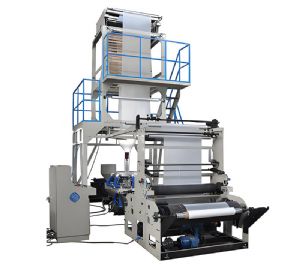
Blown Film Machine
Typical lead time breakdown (example for a 3-layer custom line from Asia): Order placement to design approval – 4 weeks; Manufacturing – 12 weeks; Assembly and FAT – 3 weeks; Packing and shipping – 2 weeks; Sea freight – 4 weeks; Total ~25 weeks (6 months). For a standard line from stock, it could be 8-10 weeks. To shorten lead time, consider these tips: – Choose a manufacturer with a modular design that uses standard components. – Limit customization to essentials only. – Place order during the manufacturer's low season. – Have all your specifications ready (no changes later). – Agree on a "call-off" basis where you order in phases. – Build a relationship with the manufacturer to get priority. Also, factor in the time for import clearance and inland transport, which can add 1-2 weeks. The delivery schedule should be part of the contract with clear liquidated damages for delays beyond an agreed grace period. In conclusion, understanding and managing lead times is essential for capital equipment projects. With careful planning and proactive communication, you can ensure your blown film line is delivered on schedule, keeping your project on track.
