High-speed automatic blown film machine manufacturer
Choosing the right manufacturer for a high-speed automatic blown film machine is a critical decision that impacts production efficiency, film quality, and long-term operating costs. High-speed lines, capable of speeds exceeding 150 m/min and often reaching 300 m/min, require precision engineering, robust automation, and reliable after-sales support. The global market is dominated by European manufacturers (Germany, Italy, Austria) known for top-tier quality, high price points, and advanced control systems. Asian manufacturers (China, Taiwan, South Korea) offer competitive pricing with improving quality, making them popular for cost-conscious buyers. North American suppliers also have a presence, often focusing on heavy-duty custom lines. When evaluating a manufacturer, consider their track record in delivering lines for your specific application – whether packaging, stretch film, or agricultural. Request references and, if possible, visit existing installations to see the line in operation. A manufacturer's ability to customize the line to your resin type, film width, and output requirement is crucial. Also, assess their engineering support: do they have in-house design for screws, dies, and control systems? Or do they assemble third-party components? The latter may be cheaper but can lead to integration issues. The manufacturer's financial stability is important – a company that may go out of business jeopardizes future spare parts availability.
Key differentiators among high-speed automatic line manufacturers include the quality of the control system – a fast PLC with advanced algorithms for thickness control, bubble stability, and automatic roll changes. European manufacturers often have proprietary control software that optimizes processes, while Asian makers may use standard Siemens or Beckhoff platforms. The automation level – automatic die gap adjustment, IBC with pressure control, turret winder with robotic roll handling – varies. High-speed lines demand high-torque extruders with efficient cooling; check the screw design and barrel material. The gearbox must be robust for continuous high-speed running. The air ring design influences cooling efficiency at high speeds; some manufacturers have patented designs. The winder must handle rapid roll changes without slowing the line – this is a hallmark of a high-speed line. Compare the warranty terms – typically 12-24 months, with options for extended coverage. Also, evaluate the availability of service engineers in your region – a manufacturer with local representatives can provide faster support. Lead times vary: European custom lines may take 8-12 months, while standard Asian lines can be delivered in 3-5 months. The total cost includes shipping, installation, and training – get a comprehensive quote. In summary, selecting a high-speed automatic blown film machine manufacturer requires thorough research, site visits, and careful comparison of technical specs, support, and price. The right partner will not only supply equipment but also contribute to your productivity goals through innovation and reliable service.
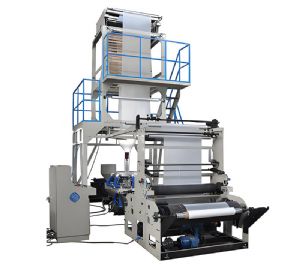
Blown Film Machine
Top manufacturer regions: Germany – Reifenhäuser, Windmöller & Hölscher; Italy – Macchi, Amut; Austria – Erema (recycling integrated), SML; China – Ruian, Wenzhou, and Guangdong-based companies; Taiwan – Fong Kee, Chyi Yang; South Korea – Hwaseung. Each region has strengths: European for high-end barriers and shrink; Asian for commodity and cost-effective; Taiwanese for mid-range quality. When evaluating, request a detailed technical proposal including: extruder sizes, motor powers, die diameter, line speed range, expected output for your resins, and energy consumption data. Also, ask for a list of included spare parts and their prices. Check certifications: CE marking for Europe, UL for US. Ask about the training program – on-site or at their facility, duration, and languages. Inquire about remote diagnostics capabilities – many high-speed lines have IoT connectivity. Also, assess the manufacturer's R&D capability – do they continuously improve designs? This is important for future upgrades. The sales process should be transparent; avoid suppliers who are vague about specifications or unwilling to provide references. Finally, consider the total cost of ownership – a higher-priced European line may have lower energy consumption and maintenance, offsetting the initial investment over 10 years.
Red flags when selecting a manufacturer: unwillingness to provide detailed drawings or specifications; no local service presence; poor communication; negative online reviews; history of bankruptcy. Always negotiate a performance guarantee – e.g., the line must achieve a specified output and film quality within a given timeframe. Include liquidated damages for delays. A well-drafted contract protects your interests. After purchase, maintain a good relationship with the manufacturer – they are your partner for troubleshooting and upgrades. Regularly communicate production feedback to help them improve their products. In summary, the choice of high-speed automatic blown film machine manufacturer is a strategic decision that balances technology, cost, and support. Investing time in selection pays off with a reliable, productive line that meets your market demands.
