Extruder screw wear and repair
Extruder screw wear is inevitable in blown film production due to the abrasive nature of some resins (e.g., filled compounds, recycled materials, carbon black) and the high pressures and temperatures involved. Wear typically occurs on the screw flights and the barrel inner wall, increasing the clearance between them. As clearance increases, melt leakage (backflow) increases, reducing output for a given screw speed, increasing melt temperature due to higher shear, and causing surging (output fluctuations). Signs of excessive screw wear include: a gradual decrease in output at the same screw speed (more than 5-10% over time), higher melt temperature without changing setpoints, increased melt pressure fluctuations, and film quality issues like gels or black specks (due to degradation from longer residence). The screw is typically pulled out for inspection during annual maintenance or when performance drops. Wear is measured by comparing the flight diameter to the barrel bore; a clearance greater than 0.5-1.0 mm (depending on size) indicates significant wear.
The most common wear locations are the feed zone (where solids are conveyed) and the compression zone (where the polymer is melted and compressed). Abrasive fillers like calcium carbonate or talc accelerate wear; recycled materials containing metal fragments or dust are also harsh. The barrel wall may also wear, especially at the feed section, creating an oval shape. To detect wear without pulling the screw, you can measure the output at different screw speeds and compare with baseline data – a downward trend suggests wear. Also, monitor the specific energy consumption (kWh/kg) – if it increases, the screw is less efficient. Another sign is that adjusting the screw speed no longer gives the expected output change. For proactive maintenance, many plants schedule screw pull-out every 2-3 years, depending on the processed materials. The repair options depend on the severity: if wear is mild, the screw can be reconditioned by applying a hard-faced alloy (e.g., tungsten carbide) to the flight surfaces and then grinding to restore the original diameter. This is done by specialized workshops. If wear is severe, the screw may need to be replaced entirely, which is costly but provides a new performance baseline.
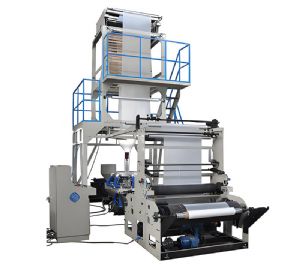
Blown Film Machine
The repair process: the screw is removed from the barrel using a screw puller or crane. It is cleaned thoroughly to remove all polymer residue (often by burning or using a caustic bath). The flights are measured with micrometers to determine the wear profile. The technician then applies a weld overlay of hardfacing material (e.g., Colmonoy or Stellite) using plasma transfer arc (PTA) welding, building up the worn areas. After welding, the screw is machined (turned) to the original dimensions and polished to a smooth finish. The barrel is also inspected; if the barrel is worn, it may be honed or rebored and sleeved. The cost of reconditioning is typically 30-50% of a new screw, and the reconditioned screw may have better wear resistance if a harder alloy is applied. The turnaround time is 1-3 weeks. Some companies keep a spare screw to minimize downtime – they swap screws and send the worn one for repair. When re-installing the screw, ensure proper alignment with the barrel and gearbox; use new seals. The start-up after screw repair requires purging and careful temperature ramping to avoid damaging the new surface.
Preventive measures: use a barrel made of bimetallic material (with a wear-resistant liner) to extend life. Use screens to filter out hard particles. Avoid running the screw at too high RPM, which increases wear. Process abrasive resins at lower speeds. For filled compounds, consider a screw with a special coating (e.g., nitriding or chromium plating). Regular maintenance includes checking the screw alignment and lubricating the gearbox. Keep records of screw wear measurements to predict replacement intervals. In summary, extruder screw wear is a natural part of operation, but proper monitoring and timely repair can extend the screw's life and maintain product quality. A well-maintained screw ensures consistent output, lower energy consumption, and reduced scrap, paying back the repair cost quickly.
