Budget-friendly single-layer film extruder
For startups and small businesses, a budget-friendly single-layer film extruder offers an affordable entry into blown film production. These machines are typically simple, manually controlled, and built with cost-effective components. A basic line includes a small extruder (45-65 mm), a compact die (150-300 mm), a simple air ring, a manual winder, and a basic temperature controller. Prices for new Chinese-made units start as low as $30,000 for a 45mm extruder with 200mm die and output around 50-80 kg/h, suitable for narrow film (up to 600 mm lay-flat) for garbage bags or produce bags. A more capable 75mm line with 350mm die, output 150-250 kg/h, and a surface winder costs around $80,000-$120,000. Indian and Turkish manufacturers also offer competitive pricing, sometimes even lower than Chinese. Used lines from reputable brands can be found for similar prices, but they may be older and require refurbishment. The budget-friendly segment sacrifices automation, precision, and speed. You will typically get manual thickness adjustment (no AGC), a fixed-speed blower, and a manual winder with limited tension control. The extruder screw may be a general-purpose type (not optimized for specific resins), and the temperature control may use basic on-off controllers instead of PID. However, for many commodity applications, these machines produce acceptable quality film, especially if the operator is experienced. The key is to match the machine's capabilities to your product requirements – if you need high clarity or tight gauge, you may need to spend more for a better air ring and gauge.
When shopping for a budget-friendly line, prioritize the extruder and screw quality – a well-built screw and barrel will last longer and give better melt homogeneity. Check if the gearbox is from a known brand; cheap gearboxes can fail prematurely. The die should be made of proper tool steel, not soft metal. The air ring should be adjustable – at least a single lip with some vane adjustment. A basic thickness gauge (even a portable one) helps improve quality. Consider buying a line with a basic PLC instead of relay logic – it offers better control and diagnostics. Many budget lines now include a color touchscreen and inverter drives for the extruder and blower, which improve energy efficiency and control. Also, ensure the line includes necessary safety features – emergency stops, safety covers. The winder can be a simple surface winder; it is adequate for small rolls. If you plan to produce wider films, choose a larger die and extruder from the start – upgrading later is expensive. Also, consider the availability of spare parts – cheap machines often use off-the-shelf components that are easy to replace. For additional savings, you can buy a used line and refurbish it yourself, but this requires technical expertise. Online marketplaces like Alibaba list many budget suppliers; check reviews and request videos of running lines. In summary, budget-friendly single-layer film extruders are a viable option for low-volume, basic applications. They provide a low-risk entry into blown film, and as your business grows, you can upgrade to more advanced lines.
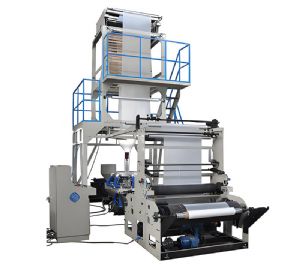
Blown Film Machine
Tips for getting the best value: 1) Define your minimum output and width – don't buy larger than needed. 2) Opt for a 65-75mm extruder – it gives a good balance of cost and capacity. 3) Request a quote with a spare parts kit included – it ensures you have critical items. 4) Ask about the warranty and after-sales support – some budget suppliers offer limited support. 5) Consider buying a line with an optional thickness gauge – it pays for itself by reducing scrap. 6) Negotiate for free installation training – even a few days of on-site training is valuable. 7) Check the power consumption – a line with a variable frequency drive (VFD) on the blower saves electricity. 8) Inquire about the possibility of a line that can process recycled material – this can reduce raw material cost. 9) Look for a supplier with a test facility – they can run your resin before shipping. 10) Read the contract carefully – watch for hidden costs like packaging, port fees. Many buyers start with a budget line and, after gaining experience, add automation or upgrade components. It is a practical approach to build your business without a huge upfront investment. However, be prepared for higher operator involvement and slower speeds. With proper maintenance, a budget line can serve you for 5-7 years, providing a solid foundation for growth.
