Bubble film machine
A bubble film machine is a specialized type of blown film equipment that produces air-filled bubble wrap used for protective packaging. Unlike standard flat film, bubble film features a layer of hemispherical bubbles (or pillows) that trap air to provide cushioning against shock and vibration. The machine typically uses a circular die with an innovative design that creates two separate film webs – one flat base layer and one profiled layer with cavities – which are then laminated together while air is injected to form bubbles. The process begins with extruding two melt streams: one for the flat film and another for the bubble layer. The bubble layer is formed by passing the molten film over a vacuum drum or a roller with embossed cavities, creating the bubble shape. Then the two layers are pressed together by a nip roll, trapping air inside each cavity.
The bubble film machine operates at moderate speeds (typically 20-60 m/min) because the bubble forming process requires careful control of temperature, vacuum pressure, and nip timing. The bubble height and diameter are determined by the vacuum drum's cavity dimensions and the degree of vacuum applied. Common bubble sizes range from 5mm to 25mm in diameter, with heights from 3mm to 10mm. The film can be produced in various thicknesses, from thin (30 µm) for lightweight items to heavy (100 µm) for industrial goods. The machine includes an unwinder for any additional layers (e.g., anti-static or colored film) and a laminating station to combine multiple bubble layers (double bubble) for enhanced protection. After lamination, the film passes through cooling rollers, then to an edge trimmer and a winder that can handle large rolls up to 1.5m width.
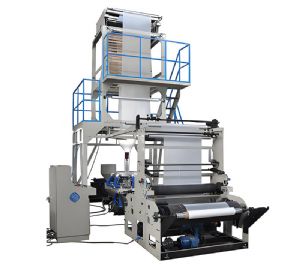
Blown Film Machine
Key parameters for a bubble film machine include extrusion temperature (tailored to LDPE or LLDPE grades), vacuum drum temperature (to avoid sticking), and nip roll pressure (to ensure proper sealing without crushing bubbles). The air supply to the bubble cavities is critical; insufficient air results in flat bubbles, while excess air bursts the film. Automatic bubble inspection systems with cameras are now available to detect misshapen or burst bubbles. The machine's output is limited by the bubble forming speed; higher speeds require longer cooling zones and precise vacuum control. Material choice is usually LDPE for flexibility, or blends with EVA for softness. Many bubble film machines also feature a perforator and a slitter to produce customized sheet sizes for retail packaging.
Maintenance of a bubble film machine centers on the vacuum drum and embossing roller – these must be kept clean and free of resin buildup. Regular cleaning with appropriate solvents and periodic polishing of the drum surface ensure consistent bubble formation. The laminating nip rolls also need inspection for wear and proper alignment. Bubble film machines are cost-effective for producing on-demand protective packaging, reducing the need for pre-purchased bubble wrap. They are widely used by packaging converters and e-commerce fulfillment centers. With the rise of sustainable packaging, some machines now process biodegradable resins (e.g., PLA-based) to produce eco-friendly bubble film. Additionally, the bubble film can be co-extruded with a sealant layer for heat-sealable applications. Overall, the bubble film machine is a niche but essential segment of the blown film industry, offering versatile cushioning solutions for fragile item shipping.
