Blown film line global export / shipping
Shipping a complete blown film line across borders is a complex logistical operation involving heavy machinery, oversized components, and sensitive electronic parts. The line must be properly packed for sea or air freight to prevent damage during transit. Typical packaging includes: wooden crates for dies and winders, steel frames for extruders and heavy sections, and shrink-wrapped pallets for smaller parts. The entire line is often loaded into containers (20ft or 40ft) or as breakbulk for very large dies (over 800 mm). The export process begins with the manufacturer providing the commercial invoice, packing list, and bill of lading. The buyer (importer) must ensure they have a valid import license and that the equipment complies with local regulations (e.g., CE certification for Europe, UL for US). The incoterms (e.g., FOB, CIF, DDP) define who bears the shipping costs and risks. FOB (Free on Board) means the seller loads the goods onto the vessel; the buyer pays freight and insurance. CIF (Cost, Insurance, Freight) includes these in the price. DDP (Delivered Duty Paid) is the most comprehensive for the buyer, as the seller handles all costs and customs. For large lines, shipping costs can be 10-15% of the machine price. Insurance is mandatory – it should cover all risks, including theft, damage, and delay. The shipping time depends on the origin and destination; from Asia to Europe/North America, sea freight takes 3-6 weeks. Air freight is faster but prohibitively expensive for heavy equipment. The buyer should track the shipment and have a logistics coordinator to manage the arrival, customs clearance, and delivery to the plant. Customs clearance requires the import declaration, proof of payment, and possibly a technical inspection. Duties and VAT apply based on the HS code (for blown film lines, usually 8477.20). Engaging a customs broker simplifies this. Once the line arrives, it must be unloaded and moved into the factory – this may require a crane and rigging equipment. The installation team should be ready to start immediately to avoid storage fees. In summary, global export and shipping of a blown film line requires meticulous planning, clear communication with the freight forwarder, and compliance with all regulations. It is advisable to include a contingency for delays and extra costs.
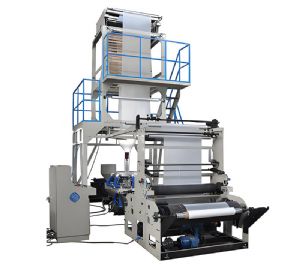
Blown Film Machine
Key steps in the export process: 1) Confirm incoterms and payment terms. 2) Request and review the manufacturer's packing list – ensure items are individually labeled. 3) Arrange insurance and obtain policy. 4) Book freight with a reliable forwarder. 5) Prepare export declaration (if seller) or import declaration (if buyer). 6) Obtain any necessary permits (e.g., import license for used equipment). 7) Track the vessel/aircraft. 8) At arrival, coordinate with customs broker for clearance. 9) Arrange for inland transportation to the plant. 10) Inspect the equipment upon delivery for damage – document any issues with photos and notify the insurance and seller. For oversized items (like large dies), special containers or flat racks are needed; check dimensions and weight limits. The shipping company should provide a handling guide. The manufacturer may provide a "crating" service, but it adds cost. It is common to have a third-party surveyor to witness the packing and loading. In case of damage, the buyer should file a claim with the insurance within the prescribed period. To minimize risks, choose a forwarder experienced in plastic machinery. Also, consider using a logistics partner who can handle all aspects from factory to plant. In conclusion, international shipping of a blown film line is a major undertaking, but with proper planning, it can be executed smoothly. Invest time in preparation to avoid costly surprises and ensure the equipment arrives in perfect condition, ready for installation.
