Advanced Turnkey Blown Film Extrusion Solution: Project Management and Integration Challenges 2026
A turnkey blown film extrusion solution offers the buyer a single point of responsibility for the entire project, from design to commissioning. However, the success of a turnkey project hinges on effective project management and clear scope definition. The buyer must provide a detailed requirements specification, including film types, output, width, thickness, resin types, and any special requirements (e.g., cleanroom, automation level). The supplier then designs the line, procures all components, manages civil works coordination, installs the equipment, and commissions it. The project manager from the supplier should provide a detailed timeline with milestones (design approval, manufacturing, FAT, shipping, installation, commissioning) and regular progress reports. The buyer should assign a project manager to liaise with the supplier and make timely decisions. In summary, a well-managed turnkey project reduces the burden on the buyer and ensures a smooth integration of all components. The buyer should be actively involved in design reviews and FAT to ensure the line meets their expectations. The contract should include a clear scope of work, performance guarantees, and penalties for delays. In conclusion, successful turnkey projects require strong project management from both sides, with clear communication and a shared commitment to the timeline and quality standards.
Integration challenges in a turnkey solution include coordinating the extruder, die, cooling, winder, and auxiliaries from different manufacturers (if not all in-house). The supplier must ensure that all components are compatible and that the control system can communicate with all devices (e.g., via Profinet or EtherNet/IP). The interface between the extruder and the die, the cooling system, and the winder must be seamless. The supplier should also handle the integration of the reclaim system, material handling, and any downstream converting equipment. The buyer should verify that the supplier has experience with similar integrations and can provide references. In practice, the buyer should also consider the layout and utilities: the supplier should provide a detailed plant layout and utility requirements, and the buyer must ensure their facility is ready. In conclusion, advanced project management and integration expertise are critical for the success of a turnkey blown film solution, ensuring that the line operates as a cohesive system from the start.
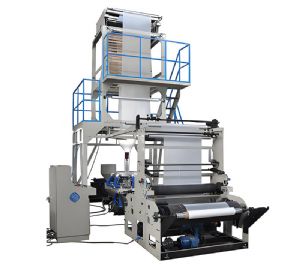
Blown Film Machine
Turnkey project phases: 1) Requirements definition and scope. 2) Design and engineering (layout, component selection). 3) Procurement and manufacturing. 4) FAT at supplier's site. 5) Shipping and logistics. 6) Site installation (civil works, mechanical, electrical). 7) Commissioning and tuning. 8) Training and handover. Key success factors: Clear scope with no ambiguities. Dedicated project managers on both sides. Regular progress meetings. Detailed timeline with milestones. Performance guarantees and penalties. Buyer's involvement in FAT and SAT. Integration: Compatibility of components (communication protocols). Unified control system. Material handling and reclaim integration. In practice, the buyer should allocate a contingency budget (10-15%) for unforeseen issues. In conclusion, turnkey solutions are valuable for buyers without extensive in-house engineering, but they require diligent project management and clear communication to deliver a successful plant.
