Advanced Preparation of a Complete Multi-Layer Blown Film Line Quotation: Scope, Specifications, and Comparison 2026
When requesting a quotation for a complete multi-layer blown film line, the buyer must provide a clear and detailed specification to ensure the quotes are comparable. The specification should include: number of layers, target film structure (layer materials and percentages), output (kg/h), lay-flat width, thickness range, resin types, and any special requirements (food-grade, cleanroom, high-speed). The buyer should also specify the required automation level (AGC, auto-winder, IBC, etc.). The supplier's quotation should then list all components: each extruder (screw diameter, L/D, motor power, gearbox), die (diameter, number of heating zones, type), cooling system (air ring, blower, IBC), thickness gauge (brand, type), winder (type, max roll diameter), control system (PLC, HMI), and auxiliaries (feeders, dryers). The quotation should also include a layout drawing, utility requirements (power, cooling water, compressed air), and a timeline (manufacturing, delivery, installation). In summary, a well-defined scope and specification are the foundation for accurate and comparable quotations. The buyer should send the same RFQ to multiple suppliers to enable effective comparison. The quotation should break down the price into components to allow analysis of where the cost lies.
Comparison of quotations: The buyer should create a comparison matrix with columns for each supplier and rows for each specification item, including brand and model. This helps identify differences in quality and cost. For example, Supplier A may offer a higher-quality gearbox (SEW) than Supplier B (generic), justifying a higher price. The buyer should also consider the total cost of ownership, not just the initial price. The quotation should include the warranty terms, spare parts availability, and after-sales support. The buyer should also ask about the commissioning process and training. In practice, it is advisable to have a technical expert review the quotations. Negotiation can then focus on areas where the buyer can reduce cost (e.g., optional features) or request upgrades. The final contract should include a performance guarantee: the line must achieve the specified output and quality within a defined timeframe. In conclusion, a thorough and systematic approach to quotation preparation and comparison ensures the buyer selects the best value multi-layer line for their needs. It reduces the risk of surprises and ensures the investment meets production expectations.
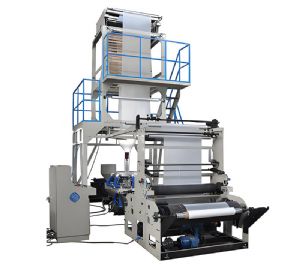
Blown Film Machine
RFQ key items: Number of layers and structure. Output (kg/h) and film width. Thickness range. Resin types. Automation level: AGC, IBC, auto-winder, etc. Required certificates (CE, FDA). Installation and training scope. Quotation breakdown: Extruders: each with screw, barrel, motor, gearbox. Die: diameter, zones, type. Cooling: air ring, blower, IBC. Gauge: brand, type (beta/X-ray/NIR). Winder: type, roll capacity. Controls: PLC, HMI, software. Auxiliaries: feeders, dryers, etc. Shipping, installation, training. Comparison matrix: Supplier A vs B vs C: component brands, specs, price, warranty. Total cost of ownership: energy consumption, maintenance, scrap rate. In practice, the buyer should request references and visit an existing installation. In conclusion, a structured quotation process ensures that the buyer receives comprehensive, comparable proposals, enabling an informed decision on the multi-layer blown film line investment.
