Advanced Melt Pump Maintenance and Troubleshooting for Reliable Operation 2026
Melt pumps are precision devices that operate under high pressure and temperature, making them susceptible to wear and seal leakage. The gears and bearings are the primary wear components, subject to abrasion from fillers and thermal degradation. Wear increases the internal clearances, reducing pumping efficiency and causing output drift. The wear can be monitored by measuring the pump's outlet pressure at a fixed speed; a drop in pressure indicates wear. The pump should be pulled out for inspection annually or biannually, depending on the material. The gears should be inspected for pitting or scoring; if worn, they can be reconditioned (hardfacing and grinding) or replaced. The bearings should be checked for play. The seals prevent polymer leakage along the shaft; they wear over time and can leak, causing melt loss and safety hazards. In summary, regular maintenance of the melt pump is essential for reliable operation. The operator should monitor the pump's performance (speed, pressure, temperature) and schedule inspections based on operating hours. A spare pump is recommended to minimize downtime. In conclusion, advanced melt pump maintenance and troubleshooting ensure long-term reliability and consistent flow control, protecting the quality of the blown film.
Cavitation is a common issue in melt pumps, caused by low inlet pressure. Cavitation creates voids in the melt, leading to flow fluctuations and pump damage. To prevent cavitation, the inlet pressure must be maintained above the minimum. The inlet pressure can be increased by raising the extruder speed or reducing the screen changer pressure drop. The pump's inlet temperature should be monitored; high temperature reduces viscosity, lowering the required inlet pressure. In practice, the operator should set an alarm for low inlet pressure. Seal leakage is another issue; the seals should be checked for leakage and replaced if needed. The pump's drive coupling should be aligned to prevent side loading. In conclusion, advanced troubleshooting of melt pump issues, such as cavitation and seal leakage, is essential for maintaining reliable operation and film quality.
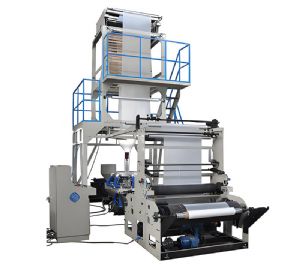
Blown Film Machine
Maintenance schedule: Daily: check inlet pressure, temperature, and leakage. Weekly: check drive coupling alignment. Monthly: listen for unusual noise (gear wear). Quarterly: check seal condition. Annually: pull pump for inspection; measure gear clearance. Troubleshooting: Low inlet pressure: check extruder, screen, and feed. Cavitation: increase inlet pressure or reduce speed. Seal leakage: replace seals; check shaft wear. Output drift: check gear wear; recalibrate speed. Spare parts: Keep spare gears, bearings, seals, and a spare pump. In practice, the operator should log all maintenance and performance data. In conclusion, advanced melt pump maintenance and troubleshooting are key to ensuring reliable flow control and film quality.
