Advanced Logistics and Export Documentation for Blown Film Line Global Shipping 2026
Shipping a complete blown film line across borders is a complex logistical operation involving heavy machinery, oversized components, and sensitive electronic parts. The line must be properly packed for sea or air freight to prevent damage during transit. Typical packaging includes: wooden crates for dies and winders, steel frames for extruders and heavy sections, and shrink-wrapped pallets for smaller parts. The entire line is often loaded into containers (20ft or 40ft) or as breakbulk for very large dies (over 800 mm). The export process begins with the manufacturer providing the commercial invoice, packing list, and bill of lading. The buyer (importer) must ensure they have a valid import license and that the equipment complies with local regulations (e.g., CE certification for Europe, UL for US). The incoterms (e.g., FOB, CIF, DDP) define who bears the shipping costs and risks. FOB (Free on Board) means the seller loads the goods onto the vessel; the buyer pays freight and insurance. CIF (Cost, Insurance, Freight) includes these in the price. DDP (Delivered Duty Paid) is the most comprehensive for the buyer, as the seller handles all costs and customs. In summary, global shipping requires careful planning and coordination with a freight forwarder. The buyer should understand the incoterms and ensure proper insurance. In conclusion, advanced logistics and export documentation are essential for a smooth international shipment of a blown film line.
The shipping documentation must be accurate to avoid delays at customs. The commercial invoice should include the correct HS code (e.g., 8477.20 for extrusion machinery). The packing list should detail each item's weight and dimensions. The bill of lading is the title of the goods. The buyer should also obtain a certificate of origin for duty preferences. In practice, the buyer should engage a customs broker to handle clearance. In conclusion, advanced export documentation ensures timely customs clearance and delivery.
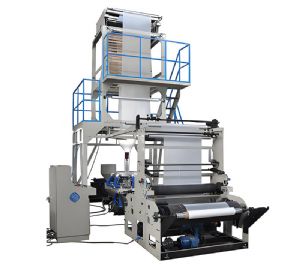
Blown Film Machine
Packaging: Wooden crates, steel frames, shrink-wrapped pallets. Containers: 20ft or 40ft, or breakbulk for oversized. Incoterms: FOB, CIF, DDP – define cost and risk. Documentation: Commercial invoice, packing list, bill of lading. Certificate of origin, HS code. Insurance: Cover all risks during transit. Freight forwarding: Engage experienced forwarder. Customs clearance: Use customs broker. In practice, the buyer should track the shipment and coordinate with the forwarder. In conclusion, advanced logistics and export documentation are key to successful international shipping.
