Advanced Food-Grade Packaging Film Line: Hygiene, Material Purity, and Regulatory Compliance 2026
A food-grade packaging film line is designed to produce films that meet stringent regulatory standards (FDA, EU, GB) for direct food contact. These films are used for wrapping fresh produce, meat, cheese, and other food items. The line must use only certified food-grade resins (e.g., LDPE, LLDPE, mLLDPE, PP, EVA) and approved additives (slip, anti-block, anti-fog) with migration limits below legal thresholds. The entire system must be clean and free from contaminants; the line is often dedicated to food-grade production. The extruder screw and barrel are made of stainless steel or food-grade alloys to prevent rust. The cooling air is filtered (HEPA) to eliminate airborne particles. The thickness gauge and AGC ensure consistent thickness for reliable sealing. The film is often corona-treated to improve printability for labels. The line's control system records all process parameters for traceability. In summary, food-grade film lines require strict hygiene, material certification, and process control to ensure safety and compliance. The operator must be trained in food safety practices (HACCP) and must document all cleaning and changeover procedures. Regular migration testing (overall migration, specific migration) is performed to verify compliance.
The processing conditions must be optimized to avoid degradation that could generate harmful compounds. Melt temperatures should be kept within recommended ranges to prevent thermal decomposition. The screw design should minimize residence time to reduce the risk of degradation. The die and barrel must be cleaned regularly to prevent carbon build-up, which can contaminate the film. The use of purging compounds is common during changeovers, but they must be food-grade and thoroughly purged. The film's seal integrity is critical; any pinhole or weak seal can compromise food safety. The line's quality control includes tensile, seal strength, and optical property tests. In practice, the food-grade line is often certified by third-party auditors (e.g., GMP, ISO 22000). The operator must follow strict procedures for material handling and sanitation. In conclusion, the food-grade packaging film line is a specialized system that combines advanced extrusion with rigorous hygiene and regulatory compliance, ensuring that films are safe for food contact and meet the high standards of the food industry.
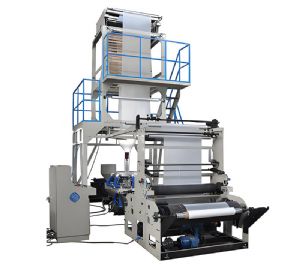
Blown Film Machine
Key regulatory standards: – FDA 21 CFR (USA), EU Regulation 10/2011, GB 9685 (China). – Migration limits: overall migration <10 mg/dm², specific migration for additives. – Material certification: resins must be listed in applicable regulations. Hygiene practices: – Dedicated line for food-grade (or thorough purging). – HEPA-filtered cooling air. – Cleanroom or positive pressure area. – Stainless steel components. – Regular cleaning and sanitation. – Operator hygiene: gloves, hairnets. Process control: – Melt temperature: within resin manufacturer's recommended range. – Residence time: minimized to avoid degradation. – Screen changer: frequent changes to remove contaminants. – Corona treatment: for printability, with controlled intensity. – Thickness gauge: ensures uniformity. Quality tests: – Migration testing (GC-MS, HPLC). – Seal strength. – Tensile and tear. – Haze, gloss. – Pinhole testing. In practice, the line must be validated for each product and resin combination. The operator must maintain detailed records for traceability. In conclusion, food-grade packaging film lines are essential for the food industry, delivering safe, high-quality films that protect and preserve food products.
