Advanced Extrusion Machinery Design for High-Viscosity and Heat-Sensitive Polymers 2026
Extrusion machinery for blown film must be adapted to the specific rheological and thermal properties of the polymer being processed. High-viscosity polymers, such as ultra-high molecular weight polyethylene (UHMWPE) and polyamide (PA), require high-torque extruders with specialized screws. The screw must have a deep feed section to reduce shear heating in the solids conveying zone, and a gradually decreasing channel depth to build pressure. The compression ratio is typically higher (3.5-4.5:1) to provide sufficient melting. The barrel must be capable of withstanding high pressures (up to 400 bar) and must have a robust cooling system to prevent overheating. The use of a melt pump is almost mandatory to decouple pressure from the screw speed, as high viscosity causes large pressure fluctuations. The gearbox must have a high service factor (≥2) to handle the torque peaks. For heat-sensitive polymers like EVOH and PLA, the machinery must have precise temperature control and short residence times. The screw should be designed with a low compression ratio (2.0-2.5:1) and a shallow metering section to minimize shear heating. The barrel should be air-cooled (not water) to avoid thermal shock. The heating zones must be individually controlled with fast-response thermocouples. The die must have a polished surface to prevent stagnation and degradation. In addition, the machinery should have a purging system to quickly remove the polymer when changing products, as heat-sensitive polymers degrade quickly if left in the barrel. In summary, processing high-viscosity or heat-sensitive polymers requires specialized extrusion machinery that is designed to manage the challenges of high torque, precise temperature, and short residence times. Off-the-shelf equipment may not perform adequately; customization is often necessary. The machinery's screw material should be corrosion-resistant for PA and EVOH, which can release acidic degradation products. In conclusion, the design of plastic extrusion machinery must be matched to the polymer's properties to ensure reliable operation and high-quality film. This requires a deep understanding of polymer rheology and thermal stability, and close collaboration between the machinery supplier and the converter.
The cooling system for high-viscosity polymers is a critical aspect of machinery design. High-viscosity melts generate more frictional heat, which must be removed to prevent degradation. The barrel cooling section must have a high heat transfer rate, often using water cooling with a large number of coolant channels. The cooling flow rate must be adjustable to match the heat generation at different screw speeds. For heat-sensitive polymers, the cooling must be even more responsive; some machines use a double-shell barrel with oil cooling for precise temperature control. The die's cooling (air ring) must also be optimized; the air flow should be able to cool the bubble rapidly to freeze the film before degradation occurs. The use of IBC (internal bubble cooling) is beneficial as it provides additional cooling and reduces the residence time of the melt in the bubble. The machinery's control system must include a fast-acting temperature controller that can respond to sudden changes in melt temperature. In addition, the screw and barrel materials must be selected for wear resistance; high-viscosity polymers often contain fillers that are abrasive. Bimetallic barrels with hardfaced liners are recommended. The screw flight edges should be hardened to prevent wear. In summary, the machinery design for challenging polymers requires a holistic approach that considers thermal management, mechanical strength, and material compatibility. A well-designed machine can process these polymers at high output with consistent quality, while a poorly designed one will have frequent breakdowns and quality issues. Therefore, converters should invest in specialized machinery and work with suppliers who have expertise in these materials. In conclusion, plastic extrusion machinery is not a one-size-fits-all solution; it must be tailored to the specific polymer families processed. This specialization is increasingly important as converters expand into new materials for performance and sustainability. The machinery supplier's engineering capability is a key factor in the success of such ventures.
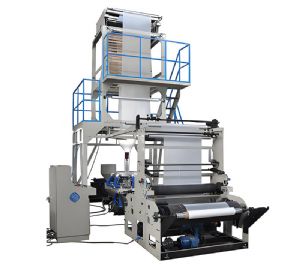
Blown Film Machine
Key design features for high-viscosity polymers: – High-torque gearbox with forced oil cooling. – Screw with deep feed section and gradual compression. – Bimetallic barrel with tungsten carbide liner. – Melt pump to stabilize pressure. – Water cooling with high flow rate. – Pressure transducers with fast response. For heat-sensitive polymers: – Low compression screw with shallow metering. – Air cooling or oil cooling for precise control. – Short L/D ratio (24:1) to minimize residence. – Polished die surfaces with non-stick coating. – Purging system with quick-change. – Inert gas blanketing to prevent oxidation. In addition, the machinery should have a high level of automation to monitor and adjust parameters in real-time. The control system should include alarms for temperature deviation and pressure spikes. Regular maintenance, including cleaning of the die and screw, is essential to prevent degradation residues. In conclusion, the design and operation of extrusion machinery for challenging polymers is a specialized field that requires expertise and attention to detail. By investing in the right machinery and maintaining it properly, converters can successfully produce high-quality films from a wide range of polymers, expanding their product portfolio and market reach.
